
A frosty morning can make a simple walk to the kitchen painful when you live with neuropathy. Some people notice more burning or numbness as temperatures drop, even when their routine hasn’t changed. An evaluation can help determine which neuropathy pain treatment in Burlington is appropriate based on your health history and how these symptoms affect your daily activities.
In this guide, Burlington Chiropractic explains why neuropathy may feel worse in winter and how numbness can make foot injuries harder to notice.
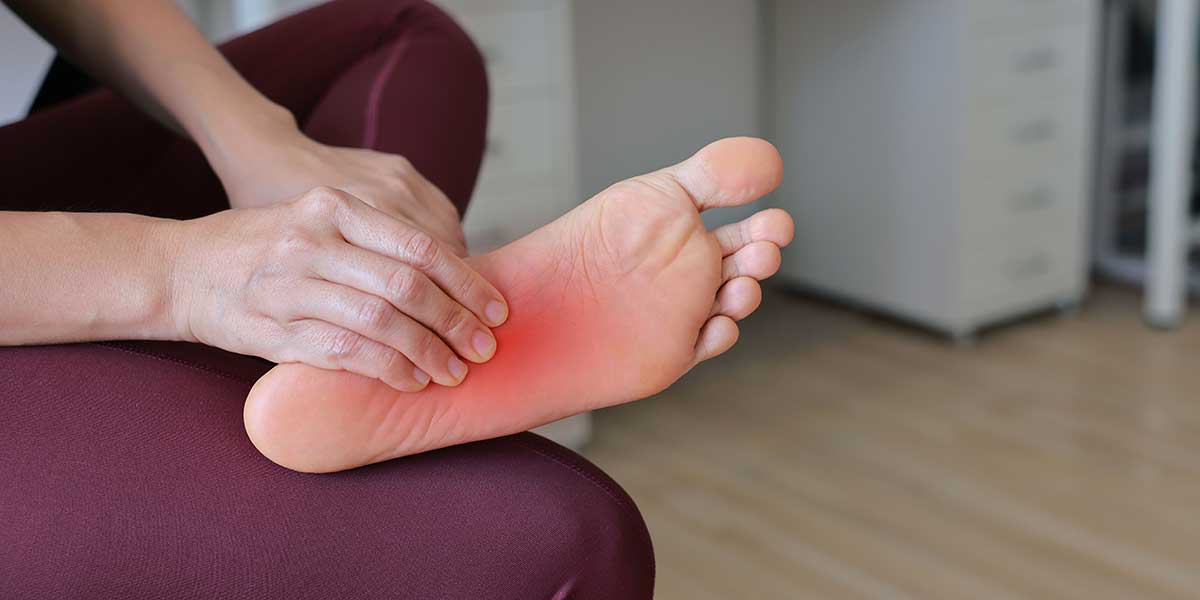
Why Cold-Weather Neuropathy Symptoms May Flare
Winter temperatures may change how your nervous system registers pain, potentially making burning or numbness more noticeable. Peripheral nerve damage can distort or interrupt the signals traveling between your feet and brain.
For some people, increased nerve sensitivity means that a light touch stings or cool air feels painful. Others may barely register temperature changes, making it harder to tell when their feet are getting dangerously cold. Lower temperatures also narrow blood vessels near the skin, so reduced blood circulation to the hands and feet may add to tingling or sensitivity.
People often move less in winter, and long periods of sitting can leave the legs stiff and lengthen the time it takes for the feet to warm up. Cold-induced nerve pain may involve sharper burning, stronger tingling, or more widespread numbness.
Before heading outdoors, give your feet a few minutes to warm up indoors, then check that your socks are dry and your boots aren’t tight. Cold and moisture can be harder to detect when your feet are numb.
Winter Foot Problems You May Not Feel Right Away With Nerve Damage
Reduced sensation can prevent your feet from warning you about an injury. Numbness and poor proprioceptive awareness also make icy sidewalks and wet floors more challenging to navigate.
Watch for these winter foot problems:
- Blisters: A tight boot can cause a blister before you feel any rubbing.
- Pressure areas: A bunched sock or stiff seam can press on one spot all day and wear down the skin.
- Cold injuries: Reduced sensation may allow frostbite to develop without the usual pain that warns you about prolonged cold exposure.
- Wet feet: Soaked socks or boots hold moisture against the skin, increasing your risk of irritation and infection.
- Skin cracks: Dry winter air can split the skin, and reduced sensation may keep you from noticing the opening.
After removing winter footwear, check for lingering red marks around your toes and heels. Redness or unusual warmth may indicate infection, while swelling or a dark color can signal another serious foot problem. Contact a health care professional promptly if you find a sore that does not begin healing after a few days.
How To Protect Your Feet Throughout the Winter
If you know why neuropathy feels worse in winter, you can build these precautions into your cold-weather routine:
- Daily inspection: Check the soles and spaces between your toes for cuts or redness. Feel inside each shoe before putting it on.
- Shoes and boots: Choose lined waterproof footwear with good traction and enough room for warm socks without squeezing your toes.
- Quick changes: Replace wet socks or shoes as soon as you come indoors.
- Gentle activity: If you can move safely and have no open foot injury, short indoor walks or gentle stretches may supplement your neuropathic pain management plan.
- Foot washing: Use warm, not hot, water, and dry your feet carefully afterward.
- Skin care: Apply moisturizer to the tops and bottoms of your feet, but keep it out of the spaces between your toes.
During winter neuropathy flare-ups, warm, dry footwear can help protect numb or sensitive feet. However, new weakness or a sudden change in sensation deserves medical attention. Contact a provider if pain interferes with safe walking.
Avoid heating pads and hot water bottles because numb skin can burn before you feel the heat. Sitting too close to a heater or fireplace carries the same risk. Taking precautions may help prevent burns and skin damage that numb feet might not detect right away.
Protect Your Feet This Winter With Burlington Chiropractic
Understanding why neuropathy may feel worse in winter can help you protect numb or sensitive feet. If cold weather intensifies a burning feeling or makes your foot numbness more noticeable, tell your provider how the change affects your walking and daily activities. Our guide to why neuropathy affects your balance also explains how reduced sensation can make icy or uneven surfaces harder to judge.
Call Burlington Chiropractic today at (609) 747-1100 to schedule a consultation at our New Jersey practice.
